Community Impact
From Bruderheim to the Pacific: The Communities Along the Pacific Link Story
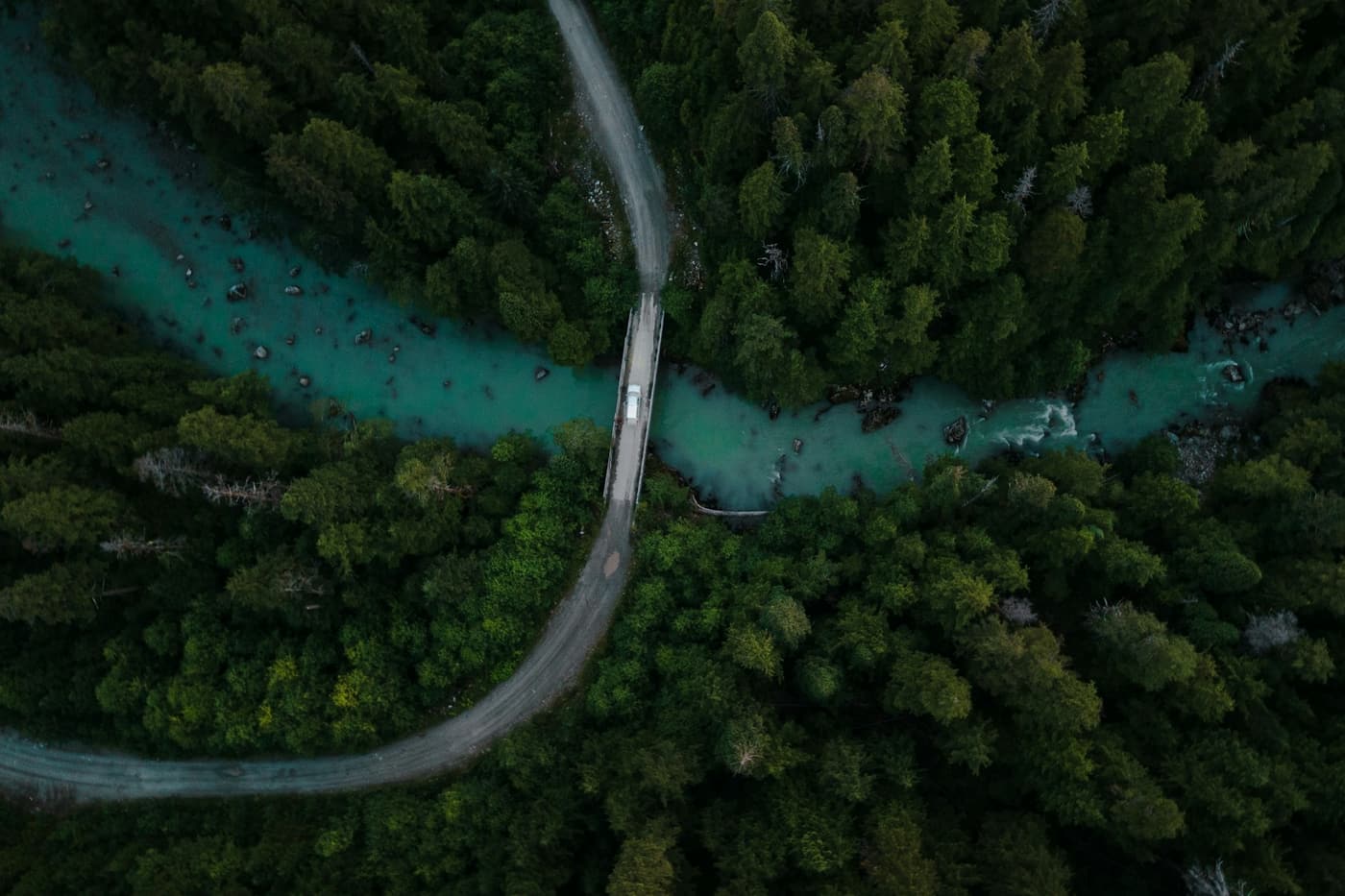
Pacific Link will ultimately be measured in barrels and billions. But on the ground, this project will unfold community by community.
The proposed Pacific Link pipeline begins in Alberta and heads west toward Canada’s Pacific coast.
Current planning places its eastern starting point near Bruderheim, northeast of Edmonton, before the proposed corridor moves west across Alberta and into British Columbia.
Much of the project is expected to make use of or run near existing infrastructure corridors, including portions of the existing Trans Mountain route.
Alberta currently identifies locations connected to early project planning including Bruderheim, Fort Saskatchewan, Strathcona County, Sturgeon County, Parkland County, Lac Ste. Anne County, Yellowhead County and the Jasper region, before the route continues into British Columbia.
The final alignment remains subject to engineering, consultation, environmental review and regulatory decisions.
And that distinction matters.
A line on a map is not yet a construction route.
The project will look different in every community
- For a contractor in Edmonton, Pacific Link may mean equipment and fabrication work.
- For a municipality near the proposed corridor, it may mean workforce pressures, road traffic and local procurement.
- For a hotel operator, it may mean rooms.
- For an Indigenous community, it could involve ownership, contracting, employment, environmental stewardship and decisions about how infrastructure crosses traditional territory.
- For businesses in British Columbia, the conversation may centre on everything from construction logistics to marine infrastructure.
One project.
Many very different local stories.
Communities may feel the project years before oil moves
The economic impact of major infrastructure projects does not begin when a pipeline enters service.
It begins with survey crews.
- Engineering teams
- Environmental work
- Consultation
- Site visits
- Hotel nights
- Equipment rentals
- Office leases
Then workforce numbers begin to increase.
- Construction yards appear.
- Local contractors get calls.
- Restaurants get busier.
- Housing becomes tighter.
Entire regional supply chains can temporarily reorganize around major construction.
If Pacific Link proceeds on its current timeline, some of those effects could begin well before the planned 2032 completion date. Alberta says the project is working toward having the necessary permissions for design and construction to potentially begin as early as September 1, 2027.
The Indigenous story will be especially important
More than 100 Indigenous communities across Alberta and British Columbia were engaged during development of the initial submission, according to the Alberta government.
Indigenous participation is expected to extend beyond consultation.
Governments have discussed equity participation, contracting opportunities and other forms of economic involvement in both Pacific Link and related infrastructure.
Not every community supports the project, however.
Some Indigenous leaders have raised concerns about the pace and scope of consultation surrounding the national-interest designation. Those discussions will remain an important part of Pacific Link’s development.
For a project of this size, there will inevitably be supporters, opponents and communities still deciding where they stand.
Those perspectives deserve to be followed independently.
We intend to follow the pipeline locally
National headlines will focus on Ottawa, Edmonton, oil production and export markets.
ThePacificLink.ca will also look closer to the ground.
- Which communities are preparing?
- Which local businesses are winning work?
- Where are camps and staging areas being considered?
- Which Indigenous partnerships are being created?
- Who is hiring?
- Who is investing?
Because this may be called Pacific Link.
But it will ultimately be built one community at a time.