Suppliers & Bids
The $40-Billion Supply Chain: Who Will Be Needed to Build Pacific Link?
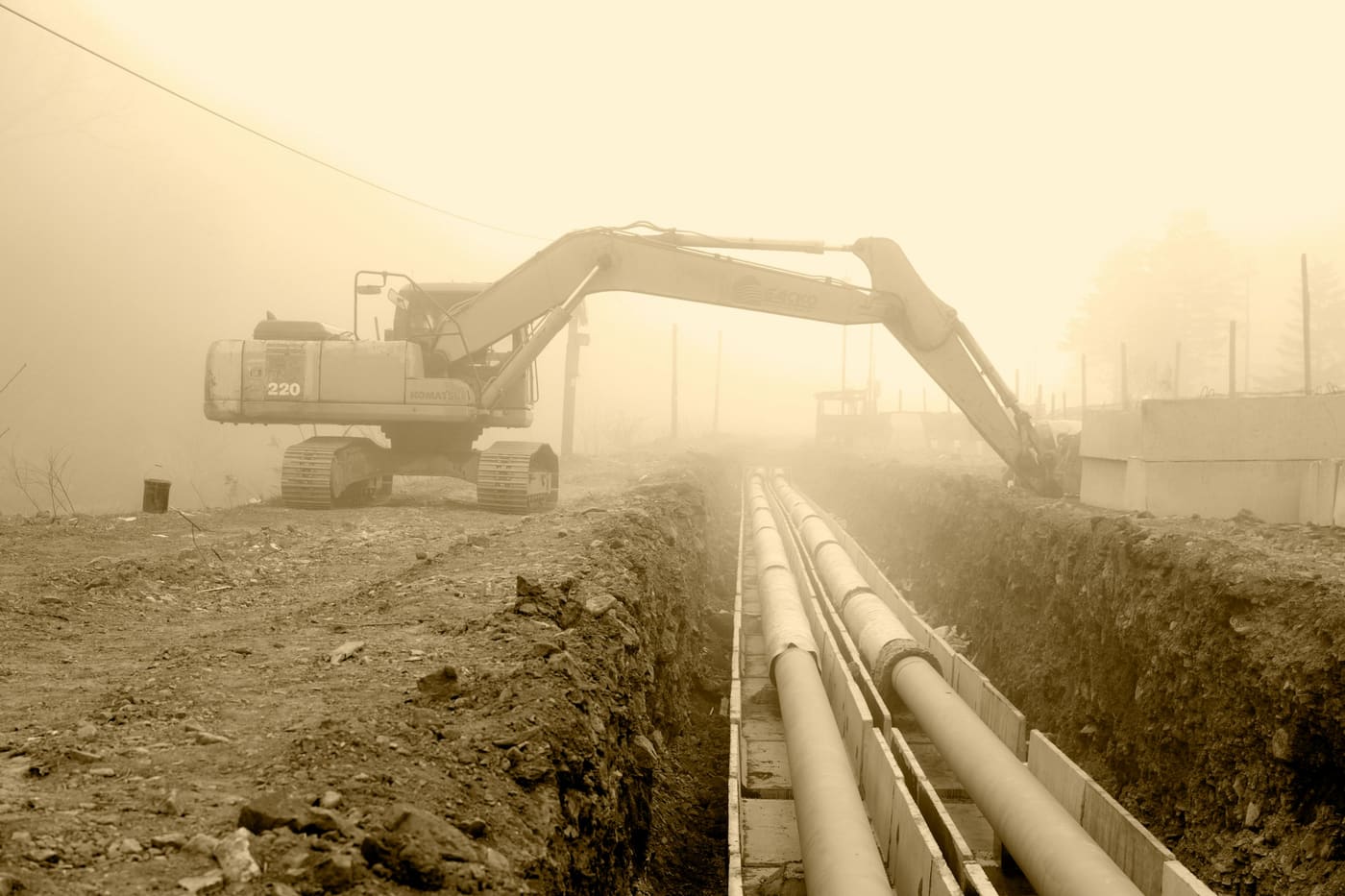
Pacific Link may be described as a pipeline project. For Canadian businesses, it could be better understood as an enormous multi-year procurement program.
A pipeline stretching from Alberta to the British Columbia coast cannot be built by one company.
Or ten.
Projects of this scale require an industrial ecosystem.
Engineering companies. Heavy construction contractors. Environmental consultants. Equipment dealers. Transportation companies. Fabricators. Camps. Hotels. Surveyors. Safety suppliers. Indigenous businesses. Inspection firms. Technology providers.
And hundreds of specialized companies most Canadians will never hear about.
Pacific Link is currently estimated at approximately $43.7 billion by Alberta’s Major Projects database, with more than one million barrels per day of planned capacity and a potential construction start as early as September 2027.
Not all of that investment will translate directly into supplier contracts, and procurement packages have not yet been broadly released.
But the scale tells us something important:
The supply chain surrounding Pacific Link will be enormous.
Start with the obvious
Major pipeline construction requires pipe, valves, pumping equipment, fittings, coatings and control systems.
Then comes the machinery required to put that infrastructure into the ground:
- excavators and dozers
- sidebooms
- cranes
- welding equipment
- directional drilling systems
- heavy trucks and trailers
- temporary bridges and access systems
- generators and portable power
- fuel and lubrication services
Behind those contractors sits another layer of companies providing repair, parts, rentals, transportation and logistics.
Then another.
The less obvious opportunity
Some of the most interesting Pacific Link opportunities may have little to do with pipe.
Large infrastructure projects require enormous temporary workforces.
Those workers need accommodation, meals, transportation, communications, medical services, PPE, laundry, waste management and security.
Project teams need engineering, surveying, environmental monitoring, geotechnical work, permitting support, software, drones, inspection and document management.
Communities along the corridor may require road improvements, staging areas and additional services.
There will also be years of work before much of the physical pipeline is installed.
The companies positioning themselves during the planning and engineering phase may have a significant advantage when larger construction packages begin appearing.
Indigenous business will play a major role
Indigenous participation has been positioned as a central component of Pacific Link.
More than 100 Indigenous communities were engaged during early development of the proposal, according to the Government of Alberta, and Indigenous ownership and economic participation remain important elements of the project.
That means Indigenous-owned contractors, partnerships and joint ventures are likely to be important participants throughout the supply chain.
For larger contractors, building meaningful relationships with Indigenous businesses may therefore become both commercially and operationally important.
The smart time to become visible is before procurement starts
One mistake suppliers make around major projects is waiting until a tender appears.
By then, relationships have often been developing for months or years.
Pacific Link is still early.
That is precisely why suppliers should be paying attention now.
This is the period for companies to make sure project stakeholders know:
who they are, what they do, where they operate and what capacity they can bring to the project.
ThePacificLink.ca Supplier Directory is being built to document that ecosystem from the beginning.
Because when a project attracts tens of billions of dollars of investment, there won’t be one Pacific Link opportunity.
There will be thousands of them.